2025. 8. 2. 15:04ㆍNews & Story/AI 최신 트렌드
1. AI Targets 'Potential Criminals'
In July 2025, the UK government introduced an AI-based crime prediction system in correctional facilities nationwide. This technology analyzes inmates' past behavior, speech patterns, and psychological data to identify individuals with a high likelihood of violence in advance.
In short, it aims to issue alerts and isolate 'potential threats' before any actual crimes occur—a system reminiscent of the film "Minority Report," implemented to reduce prison violence.
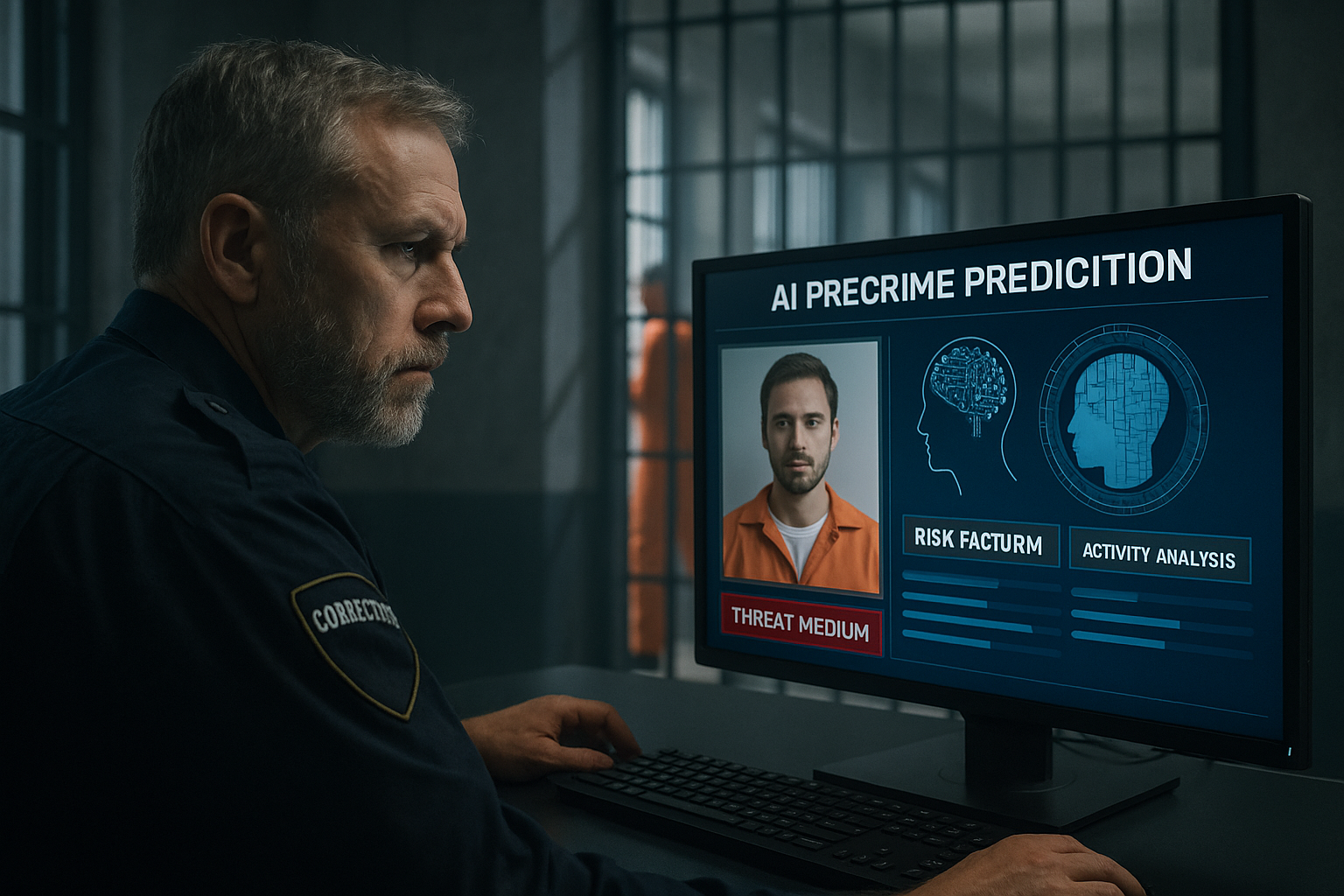
▲ Concept image of a futuristic prison where AI monitors inmate behavior in real-time
2. What Technology Is Behind It?
The system uses machine learning and natural language processing (NLP) to analyze inmates' language and behavioral records in real time. Based on this data, an 'aggression score' is assigned, and individuals scoring above a threshold are flagged for observation or isolation.
Indicators include tone of voice, word choices, gaze patterns, and repetitive actions. It integrates with existing security cameras using AI-enhanced CCTV algorithms.
3. Controversy and Ethical Concerns
The initiative has sparked strong concerns. Experts warn that if the AI learns from biased data, it could make discriminatory judgments against certain races or classes.
Labeling someone as a "high-risk individual" before they commit a crime raises serious human rights issues. It resembles a preemptive conviction without due process, leading to debates over legal legitimacy.
Transparency and explainability of the algorithms have also been cited as critical unresolved issues.
4. Early Results from Pilot Cases
A correctional facility in southern England reported a 28% reduction in physical conflicts among inmates following the system’s deployment. Segregation of high-risk individuals and linking them to mental health support were noted as key factors in its success.
However, false positives remain a concern, prompting experts to call for improved accuracy and mandatory human intervention protocols.
5. Is Society Ready to Accept This?
AI clearly offers potential in crime prevention, but its scope and purpose must be socially agreed upon. Particularly, real-time monitoring and automated classification must not infringe on human dignity and liberty. Policy and technology must evolve hand in hand.
As the UK experiment could set a global precedent, it's time to intensify the discussion about the ethical boundaries of AI. We must strike a careful balance between technological advancement and fundamental human rights.
'News & Story > AI 최신 트렌드' 카테고리의 다른 글
| AI는 기술인가, 자산인가? OpenAI의 3000억 달러 가치에 담긴 의미 (4) | 2025.08.02 |
|---|---|
| Can AI Replace Creators? The Future of 'Netflix of AI' (3) | 2025.08.02 |
| AI가 범죄를 예측한다면? 영국 교정시설에 도입된 충격적 실험 (7) | 2025.08.02 |
| Big Tech’s Billion‑Dollar AI Arms Race: Microsoft’s $30B Bet and Meta’s $72B Gambit (0) | 2025.08.02 |
| Meta's AI Infrastructure Bet $66–72 billion: A New Chapter in the Tech Arms Race (0) | 2025.08.02 |